Compare Local Contractors for Interior Trim Service Effectively
Compare local contractors for interior trim by assessing experience, clarifying scope, and setting clear expectations in writing to ensure a successful project.
Interior trim services typically encompass the installation, repair, and finishing of decorative elements that enhance a property's interior spaces. This work often includes installing baseboards, crown molding, door and window casings, wainscoting, and other decorative woodwork or millwork. The goal is to improve the aesthetic appeal of rooms while also providing functional details that complement the overall design. Properly executed trim work can add character to a space, create visual transitions between different areas, and contribute to a polished, cohesive interior environment.
Clearly defining the scope of interior trim work is important because it helps set expectations and ensures that both property owners and service providers are aligned on the project’s requirements. A detailed scope might specify the types of trim to be installed, the materials to be used, the complexity of the design, and any finishing details such as painting or staining. Having this information in writing can prevent misunderstandings, facilitate accurate communication, and support a smoother project process. It also allows property owners to evaluate whether a contractor’s experience aligns with the specific types of trim work needed.
When comparing local contractors for interior trim services, property owners should consider a few practical factors. Verifying the experience and expertise of service providers in similar projects can help identify those with a proven track record. Reviewing portfolios or past work examples, when available, offers insight into their craftsmanship and attention to detail. Additionally, obtaining detailed written proposals that outline the scope of work, materials, and processes can assist in making informed comparisons. Asking for references or feedback from previous clients can also provide a clearer picture of a contractor’s reliability and professionalism, helping property owners select a service provider that best fits the specific requirements of their interior trim project.
Compare local contractors by outlining project priorities, verifying experience, and clearly defining scope and expectations in writing.
- Experience Verification - Check the background and portfolio of local contractors to ensure relevant interior trim expertise.
- Scope Definition - Clearly outline the project details and desired outcomes to facilitate accurate contractor comparisons.
- Written Agreements - Ensure all project expectations, scope, and responsibilities are documented in a formal agreement.
- Comparison Tips - Evaluate multiple service providers based on experience, reputation, and clarity of communication.

Clearly define your interior trim project and compare local contractors based on experience and written scope.
- Verify experience and expertise in interior trim installation to ensure quality craftsmanship. - Look for service providers who have a proven track record with similar interior trim projects.
- Define the scope of work clearly in writing to set accurate expectations for materials and finishes. - Ensure all details about trim styles, materials, and installation methods are documented.
- Compare multiple local contractors to assess their approach and attention to detail on interior trim services. - Review their previous work or references to gauge consistency and quality.
- Ask service providers about their process for preparing surfaces and handling transitions between different trim pieces. - Confirm that methods align with best practices for durability and appearance.
- Confirm that the scope includes any necessary preparation, such as surface sanding or priming, to ensure a smooth finish. - Clarify what is included to prevent misunderstandings during the project.
- Ensure all project expectations, including timelines, responsibilities, and warranty details, are documented in a detailed contract. - This helps maintain transparency and accountability throughout the work.
Compare local contractors, clarify project scope, verify experience, and set clear expectations in writing.


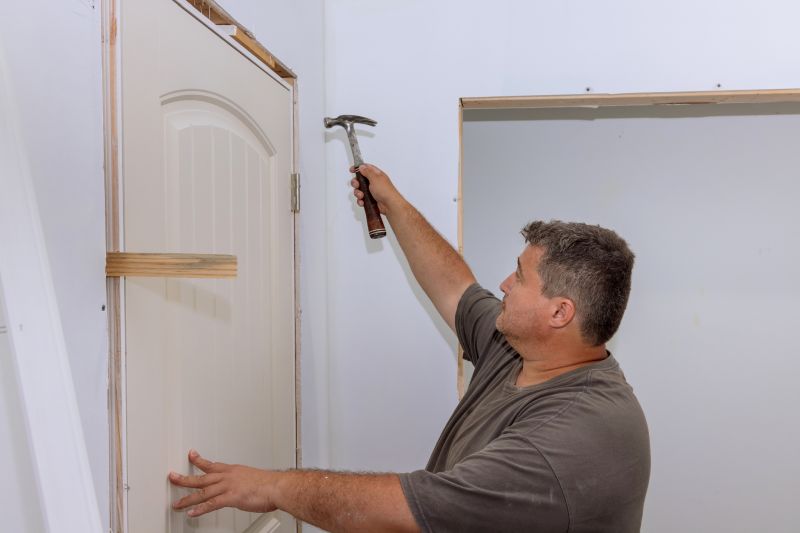

Learn how to compare interior trim contractors, define scope clearly, verify experience, and set expectations in writing.
- Define scope of work - clearly outline the specific interior trim services required for the project.
- Verify experience - confirm that local contractors have relevant experience with interior trim installation and finishing.
- Establish material specifications - specify the types, styles, and quality of trim materials to be used.
- Set project expectations in writing - document the scope, materials, and standards to ensure mutual understanding.
- Compare local service providers - review qualifications and approaches to select the most suitable contractor for interior trim work.
When comparing contractors for interior trim services, it’s important to evaluate their experience with similar projects. Homeowners should seek out service providers who have a proven track record of completing interior trim work in spaces comparable to their own. This can include details such as the type of trim, the complexity of the project, and the style or finish desired. Verifying that a contractor has handled projects of similar scope helps ensure they are familiar with the specific techniques and materials needed, reducing the risk of issues during installation.
A clear, detailed written scope of work is essential when evaluating interior trim contractors. The scope should outline exactly what tasks will be performed, including the types of trim to be installed, preparation work, finishing details, and any surface treatments. Having this information in writing helps set clear expectations and provides a reference point throughout the project. It also allows homeowners to compare different service providers based on the completeness and clarity of their proposals, making it easier to identify who has a thorough understanding of the work involved.
Verification basics involve confirming a contractor’s experience and reliability through clear documentation. Homeowners should request references or examples of previous projects similar to their own. Additionally, it’s helpful to verify that the contractor’s work aligns with the scope of work outlined and to review any provided documentation for consistency and professionalism. This process helps ensure the selected service provider has a history of delivering quality work and understands the specific requirements of interior trim projects.
Evaluating options without focusing on prices involves assessing the professionalism and thoroughness of each contractor’s proposal. Homeowners should compare how well each service provider understands the project scope, the level of detail in their written descriptions, and their ability to communicate expectations clearly. It’s also beneficial to consider the experience and reputation of the contractors, as well as their approach to project management and craftsmanship. This approach helps identify service providers who are well-equipped to handle the project with quality and attention to detail, based on their expertise and communication rather than cost alone.
Ask contractors to provide written scope details to ensure clear expectations and consistent project understanding.
- Experience with Interior Trim - What specific types of interior trim projects have local contractors completed?
- Scope of Work - How do contractors define and document the scope of interior trim services to ensure clarity?
- Material and Finish Options - What materials and finishes do local service providers typically recommend for different interior trim styles?
- Project Expectations - How should contractors outline the expected outcomes and quality standards in writing?
- Comparison of Services - What criteria can be used to compare the scope and experience levels of different interior trim service providers?
How can I compare interior trim contractors effectively? To compare contractors, review their experience, request references or portfolios, and ensure their scope of work aligns with project needs. Clarify what services are included and verify their familiarity with the specific trim styles desired.
What should I specify when defining the scope of interior trim work? Clearly outline the types of trim needed, such as baseboards, crown molding, or wainscoting, along with the rooms involved and any design preferences. Detailed descriptions help ensure contractors understand project expectations.
How can I verify a contractor’s experience with interior trim projects? Ask for examples of past work, references from previous clients, or descriptions of similar projects completed. This information can provide insight into their expertise and quality of craftsmanship.
Why is it important to have the scope of work in writing? Having the scope documented ensures both parties agree on the project details, including materials, finishes, and specific tasks. This helps prevent misunderstandings and provides a clear reference throughout the project.
What questions should I ask a contractor before hiring for interior trim services? Inquire about their experience with similar projects, the materials they recommend, their process for managing the work, and how they handle potential issues that may arise during installation.
How can I ensure a contractor understands my interior trim design preferences? Communicate your style preferences clearly, provide reference images if possible, and confirm that the contractor has experience with the types of trim and finishes you want to achieve.
Understanding the key aspects of hiring interior trim service contractors can help ensure the project meets expectations. Visitors learned how to define the scope of work clearly, verify the experience of service providers, and set expectations in writing to facilitate a smooth process. Comparing different local contractors allows for informed decisions based on their offerings and expertise.
Using the quote form provides an opportunity to explore and compare options among trusted local service providers. It’s a practical step toward connecting with professionals who can handle interior trim projects, making it easier to find the right fit for specific needs and preferences.