Compare Local Contractors for Decorative Carpentry Projects
Compare local contractors for decorative carpentry to define project scope, verify experience, and set clear expectations for a successful renovation.
Decorative carpentry encompasses a range of custom woodwork that enhances the aesthetic appeal and character of interior and exterior spaces. This work often includes intricate moldings, custom trim, wainscoting, crown molding, built-in shelving, decorative panels, and detailed wood accents that add architectural interest to homes and commercial properties. When selecting a contractor, property owners should consider the specific types of decorative elements needed, as well as the style and complexity of the designs. Clarifying the scope of work upfront ensures that the project meets expectations and helps avoid misunderstandings during the process.
Defining the scope of decorative carpentry projects is a crucial step in working with service providers. A well-detailed scope outlines the specific tasks, materials, design preferences, and finish details involved in the project. This clarity helps property owners communicate their vision clearly and provides contractors with a comprehensive understanding of the work required. Having a written scope also facilitates more accurate comparisons between local contractors, enabling property owners to evaluate experience, craftsmanship, and the level of detail each provider offers. Proper scope definition ultimately leads to a smoother project and a result that aligns with the property owner’s expectations.
When comparing local contractors for decorative carpentry, property owners should look for experience with similar projects and a portfolio of completed work that demonstrates craftsmanship and attention to detail. It’s beneficial to verify how contractors handle scope and change requests, as well as their approach to project communication and documentation. Requesting references or examples of previous work can provide insight into their capabilities and reliability. Additionally, discussing how each contractor plans to approach the project, including materials, design options, and the process for addressing adjustments, can help property owners make informed decisions. Taking the time to carefully evaluate and compare service providers ensures a better fit for the specific decorative carpentry needs of a property.
Compare local contractors by outlining your project priorities, verifying experience, and setting clear expectations in writing.
- Compare Contractor Experience - review the background and project history of local contractors to assess their expertise in decorative carpentry.
- Define Project Scope Clearly - outline specific work details to ensure mutual understanding before starting any project.
- Verify Credentials and References - check references and previous work to evaluate the quality and reliability of service providers.
- Document Expectations in Writing - establish detailed agreements to set clear expectations and avoid misunderstandings during the project.

Clearly describe your decorative carpentry project to help compare local contractors, define scope, verify experience, and set expectations in writing.
- Verify the contractor’s experience with decorative carpentry projects similar to the scope of your job. - Ensure that service providers have a proven track record in creating detailed and custom woodwork features.
- Compare portfolios or examples of previous decorative carpentry work to assess craftsmanship and style consistency. - Look for contractors who can demonstrate quality work aligned with your aesthetic preferences.
- Define the scope of work clearly in writing, including specific design elements and materials to be used. - Clear documentation helps prevent misunderstandings and sets expectations for the finished project.
- Check references or reviews to gauge the reliability and professionalism of local contractors in handling decorative carpentry tasks. - Gathering feedback from past clients can provide insights into their work process and attention to detail.
- Confirm that the contractor understands your design vision and can offer suggestions to enhance the project. - Effective communication ensures the service provider can meet your decorative goals effectively.
- Ensure that the scope, materials, and project details are documented in a detailed agreement before work begins. - Written agreements help protect both parties and clarify project expectations.
Compare local contractors, clarify project scope, verify experience, and set clear expectations in writing.

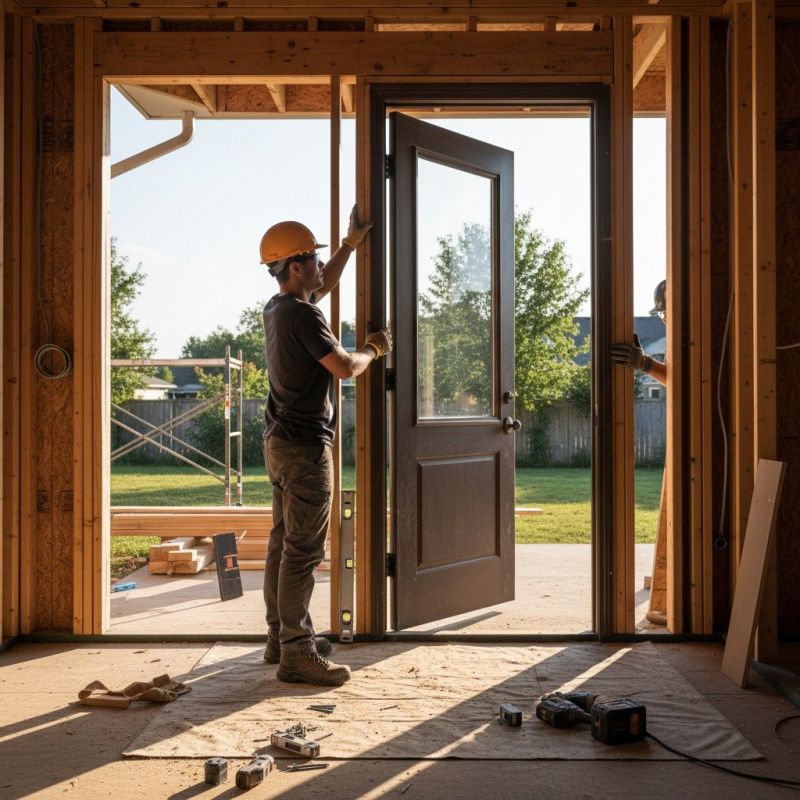


Compare local contractors' scope of work, experience, and written expectations to ensure consistent standards across providers.
- Define the scope of decorative carpentry work by outlining specific tasks and design details expected for the project.
- Identify the experience and expertise of local contractors in handling decorative carpentry projects similar in scope and style.
- Establish clear project expectations in writing to include materials, finishes, and design specifications.
- Compare service providers based on their portfolio, references, and project approaches to ensure alignment with project requirements.
- Verify that all project details and responsibilities are documented in a comprehensive scope agreement before proceeding.
When evaluating contractors for decorative carpentry projects, it is important to consider their experience with similar types of work. Homeowners should inquire about the scope of projects the service providers have completed in the past, paying attention to the complexity and style of the work. Contractors with a proven track record in decorative carpentry are more likely to understand the nuances of design details, materials, and craftsmanship that align with the homeowner’s vision. Reviewing portfolios or requesting references related to comparable projects can provide insight into their expertise and reliability.
A clear, written scope of work is essential to establish mutual understanding and set expectations. Homeowners should seek detailed descriptions of the tasks involved, including specific design elements, materials to be used, and the overall scope of the project. This documentation helps prevent misunderstandings and ensures that both parties are aligned on what is to be delivered. Contractors who can articulate the scope in writing demonstrate professionalism and a thorough understanding of the project requirements, making it easier to compare options objectively.
Verification of a contractor’s experience and credentials involves checking references, reviewing past work, and confirming their familiarity with the specific decorative carpentry styles desired. Homeowners should ask for examples of completed projects similar to their own and verify the quality of craftsmanship. Additionally, confirming that the contractor has worked with the types of materials and techniques involved can help ensure the final result meets expectations. Gathering this information from multiple service providers allows for a more informed comparison based on demonstrated experience and skill.
Evaluating options without focusing on prices involves assessing each contractor’s communication, professionalism, and clarity of their proposals. Homeowners should compare how well each service provider understands the scope, the level of detail in their written descriptions, and their responsiveness to questions. This process helps identify contractors who are thorough, transparent, and capable of delivering quality work. By concentrating on experience, scope clarity, and verification, homeowners can make more informed decisions when selecting a decorative carpentry contractor suited to their project needs.
Ask contractors to provide written scope details to ensure clear expectations and consistent project understanding.
- Experience and Portfolio - What specific decorative carpentry projects have local contractors completed recently?
- Scope of Work - How will the service provider define and document the scope of the decorative carpentry work?
- Material and Design Choices - What options do local contractors recommend, and how will they ensure the design meets expectations?
- Communication and Clarification - How will the contractor handle clarifications and updates throughout the project?
- References and Past Work - Can the service provider provide references or examples that demonstrate their expertise in decorative carpentry?
What should I consider when choosing a contractor for decorative carpentry? It's important to compare local contractors based on their experience, portfolio, and reputation. Defining the scope of work clearly and verifying their expertise can help ensure the project meets expectations.
How can I verify a contractor’s experience with decorative carpentry? You can review their previous work, ask for references, and check if they have specialized skills or a history of completing similar projects successfully.
What is the best way to define the scope of decorative carpentry work? Clearly outline the specific details of the project, including materials, design preferences, and quality standards, and document these in writing to prevent misunderstandings.
Why is it important to have written agreements with contractors? Written agreements help set clear expectations, specify the scope of work, and provide a record of commitments, which can prevent disputes and ensure accountability.
How can I compare different service providers for decorative carpentry? Review their experience, portfolio, and references, and ask detailed questions about their approach to similar projects to assess their suitability for the job.
What questions should I ask contractors during the selection process? Inquire about their previous work, materials they recommend, project management approach, and how they handle unexpected issues to gauge their expertise and professionalism.
This page has provided an overview of how to find and evaluate contractors for decorative carpentry projects. Visitors learned the importance of clearly defining the scope of work, verifying the experience of potential service providers, and setting expectations in writing to ensure a smooth process. Comparing local contractors can help identify options that best align with specific project needs and preferences.
Using the quote form allows for a straightforward way to connect with local service providers who specialize in decorative carpentry. It offers an opportunity to gather information, ask questions, and explore different options to find the right match for the project. Taking the time to compare and define project details can support a successful outcome.